


Train Station 2: Tycoon Sim
4.316.09K Reviews
App Specs
- Version
- 4.40.0
- Updated On
- License
- Free
- Downloads
- 10,000,000+
- Developer
- PIXEL FEDERATION, s.r.o.
- Categories
- Strategy
- Platform
- Android, iOS
Screenshots
 Analysis by AppCompare
I judge a train strategy game by more than how many locomotives it can put on screen. I want a reason to make choices, a pace that works in short visits, and enough room to enjoy the trains without turning every session into a chore. Train Station 2: Rail Tycoon leans into that mix: it asks me to collect engines and manage railway work, while keeping the presentation approachable for someone who simply likes watching trains move.
That balance makes it a better fit for a phone than a deep, hands-on railway simulator. I can check what needs transporting, decide which locomotive should handle it, then leave the network to do its thing while I take care of something else. The trade-off is that players looking for detailed track construction or a realistic driving cockpit may find the strategy layer more appealing than the simulation itself.
What to decide before you download
The key question is whether you enjoy incremental planning. Contracts give your train collection a practical purpose, and upgrades help you handle growing demands. That loop feels satisfying when I have a few minutes to choose a job and prepare a suitable engine. It is less compelling if I want every action to happen immediately or expect a continuous, hands-on transport puzzle.
It is free to start, and the game is rated Everyone, so it is easy to try without treating it as a major purchase. Optional in-app purchases range from $0.49 to $599.99 per item, a very wide spread that makes it sensible to set a spending boundary before playing. I would treat purchases as optional rather than necessary: the core appeal is the ongoing cycle of contracts, trains, and upgrades, not spending to make the collection feel worthwhile.
Getting Started with Train Station 2
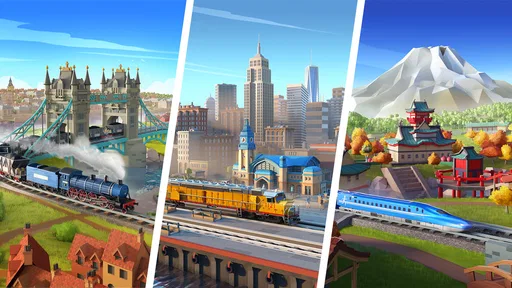
When you first open Train Station 2, you're greeted with vibrant graphics that immediately pull you into a bustling world of railways and locomotives. The game kicks off with a tutorial that smoothly guides you through the basics. It's an easy ride, even for those who might not be well-versed in train lingo. The objective is straightforward: build your railway empire by completing contracts, collecting trains, and expanding your network.
Building Your Railway Empire
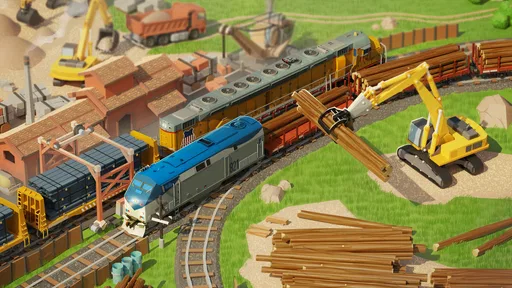
As you progress, the game introduces you to a variety of tasks and challenges. Whether it's transporting goods, building new stations, or upgrading your trains, there's always something to do. The game cleverly balances between strategic planning and immediate action, keeping you engaged as you decide the best routes and upgrades.
Strategy is key here. You have to plan the most efficient routes, manage resources, and make timely upgrades to keep your railway network running smoothly. Trust me, there's nothing more satisfying than seeing your trains chugging along on a perfectly planned route, delivering goods and completing contracts.
Worth Reading Before You Choose

EA SPORTS FC Mobile 26 Is a Bigger Football Game, but It Takes Time

Flipboard Shows What News Apps Must Do Beyond the Feed

Switching to Android Auto Means Rethinking Your Driving Routine

Google Calendar Makes a Crowded Week Easier to Manage

Ludo King Makes the Most of the Minutes Between Plans

Baby Panda World Brings Quick Play to Modern Phones, but Its Game Library Feels Busy
A useful habit is to look at the next contract before spending upgrade resources on a locomotive. If a job calls for a particular kind of capacity or capability, improving the engine that can actually take it may be more valuable than spreading upgrades across the collection. I also find it helps to treat the contract list as a queue: choose a task that fits the trains you have available, then use the waiting time to think about the next one rather than making every decision in a rush.
This is where the game’s mobile rhythm works in its favor. A quick check during a break can be enough to assign work and collect the result of an earlier plan. For a realistic everyday routine, I might set up a contract before making dinner, return afterward, and decide whether the reward should go toward the next job or a targeted upgrade. It gives the game a natural stopping point, though anyone who dislikes waiting between actions may find that rhythm frustrating.
Collecting and Upgrading Trains
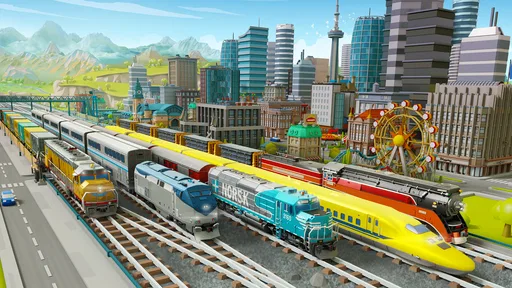
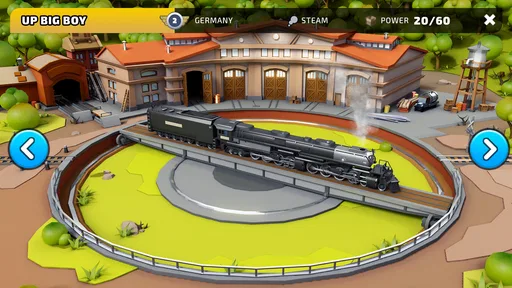
One of the standout features of Train Station 2 is the train collection aspect. The game boasts a wide range of trains, each beautifully detailed and historically inspired. You can collect trains from different eras and countries, adding a personal touch to your fleet. It's kind of like Pokémon, but with locomotives.
Upgrading your trains is essential to keep up with the increasing demands of the game. As you level up, the contracts become more challenging, requiring faster and more efficient trains. The upgrade system is intuitive, and watching your locomotives transform into more powerful versions is oddly satisfying.
The collection gives me two kinds of motivation: I want engines because they look and feel distinct, but I also want a fleet that can answer the work the game puts in front of me. Those goals do not always line up. It is tempting to improve whichever train I like most, yet a practical upgrade can make the next set of contracts easier to manage. I would keep a favorite for enjoyment, then reserve most scarce resources for engines that solve a clear bottleneck.
That distinction is useful for new players who wonder whether they should collect first or optimize first. I would not chase every train simply to make the collection look complete; instead, I would pay attention to what the current tasks demand and let the collection grow alongside that progress. This approach reduces the feeling of being stuck with an impressive roster that cannot efficiently handle the work at hand.
Graphics and Sound
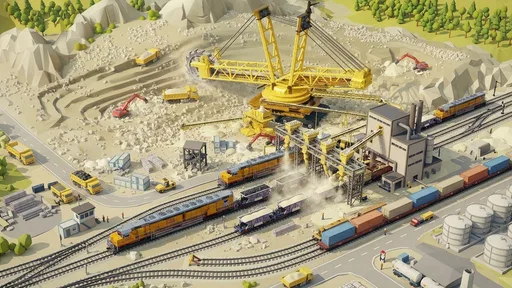
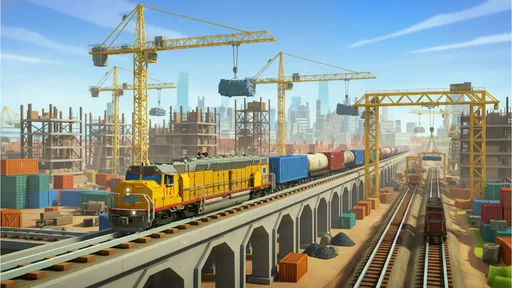
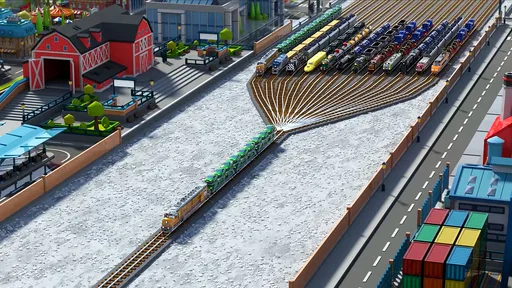
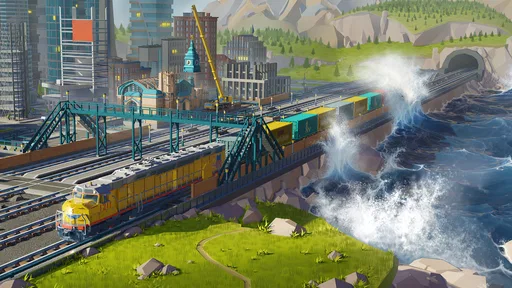
The graphics in Train Station 2 are nothing short of stunning. The landscapes are rich and detailed, making the world feel alive and vibrant. The trains themselves are rendered with care, and the animations are fluid and realistic. It's easy to get lost in the beauty of the game as you manage your railway empire.
Accompanying the visuals is a soothing soundtrack that perfectly complements the gameplay. The sound effects, from the gentle clattering of train wheels to the hustle and bustle of stations, add another layer of immersion. It’s a treat for the senses, making the experience all the more enjoyable.
The presentation is a genuine reason to choose this over a plain management screen: the trains and scenery give routine dispatching a little character. I would still think of it as a strategy game with attractive railway dressing, rather than a substitute for a dedicated train-driving simulator. If what you want is to control every turn and signal from a cab, a simulator built around driving will suit you better; if you prefer collecting engines and making light management decisions, this one has the stronger fit.
Challenges and Events
What keeps Train Station 2 exciting is its regular events and challenges. These events offer unique rewards and limited-time trains, adding an extra incentive to log in daily. The events are well-crafted, providing a fun way to test your skills and expand your collection.
The community aspect is also noteworthy. Joining a union allows you to collaborate with other players, sharing strategies and competing in union events. It's a great way to connect with fellow train lovers and enhance your gameplay experience.
Events add a second reason to return beyond the regular contracts, but limited-time content can also create pressure. I would approach an event as an optional side goal, not as a checklist I must finish. That mindset keeps the collection aspect fun when a busy day means I cannot check in often. Unions may appeal if shared goals make a game more enjoyable for you, while solo players can still focus on their own railway progression.
For someone comparing strategy games, the important distinction is the subject and the pace. A broad city or empire builder may offer more emphasis on shaping a large settlement, while a competitive tactics game may center on direct contests between players. Here, the pleasure comes from matching railway jobs with a growing locomotive collection. It is a narrower theme, but a more personal one if trains are the reason you are looking for a strategy game in the first place.
There is also a difference between this and a traditional model-railway sandbox. A sandbox is usually the better choice if your main goal is laying out a detailed miniature world at your own pace. This game is better when you want goals to steer the session and a collection to develop over time. That structure gives me direction, though it also means I am working within the game’s task loop rather than freely designing every aspect of a railway.
Who will enjoy the daily loop
I would recommend it to casual strategy players, train fans, and collectors who like making small decisions across repeated visits. It is especially suitable when I want a game I can check briefly without needing to remember a complicated battle plan. A younger player can follow the straightforward premise, while an adult train enthusiast may enjoy noticing the different locomotives and building a fleet around personal favorites.
I would hesitate to recommend it to someone who wants a complete, uninterrupted session with no timers or return visits, or to a player who expects realistic driving controls to be the main attraction. It is also not ideal for anyone who finds limited-time goals stressful or prefers a game where every unlock comes from one focused play session. Those preferences are not flaws in the game; they point toward a different kind of railway or strategy experience.
If you do try it, the current version is 4.28.1, and it runs on Android 7.0 or later. PIXEL FEDERATION, s.r.o. developed the game, which has an average rating of 4.3 from around 546,000 ratings and more than 10 million installs. Those figures suggest a large audience, but I would still decide based on the actual loop: contracts, upgrades, collection, and the amount of time you want to give a game across the day.
One practical question is whether it works for a player who does not want to spend. Since it is free to begin, I can test the basic routine before deciding whether it suits me. I would avoid treating optional purchases as a shortcut I need to take, and keep in mind the listed purchase range extends from $0.49 to $599.99 per item. A budget limit is a sensible safeguard, especially for a game built around collecting and recurring goals.
Another question is whether I need to be a railway expert. The opening tutorial is accessible, and the central idea—assigning trains to jobs and improving the fleet—is easy to grasp. Familiarity with railway terminology is not a requirement for enjoying the collection or planning. What matters more is whether you like checking a task, choosing an engine, and returning later to continue.
In conclusion, Train Station 2: Rail Tycoon is a delightful game that offers a perfect blend of strategy, collection, and simulation. With its stunning graphics, engaging gameplay, and a plethora of trains to collect, it's a must-play for anyone who enjoys simulation games. So, if you haven't yet embarked on this railway adventure, hop on board and start building your empire. You're in for a delightful ride!
My recommendation
I would give it a try if the idea of a railway collection that doubles as a light management game sounds appealing. Its strongest moments come from choosing a useful engine, watching a plan pay off, and gradually shaping a fleet that feels like yours. The events and social option add reasons to return, but they work best when I treat them as extras rather than obligations.
My recommendation is more cautious for players who want freeform track design, detailed train driving, or constant action. The contract-led pace and optional purchases may not suit everyone, and the wide purchase range makes a personal spending limit worthwhile. For train fans who enjoy strategy in short, manageable visits, though, this is an inviting place to build a railway habit; for everyone else, a driving simulator, an open-ended railway builder, or a different style of strategy game may be a better use of their time.
Pros
- Engaging graphics and animations.
- Wide variety of trains to collect.
- Regular events with unique rewards.
- Easy to learn for all ages.
- Offline mode for continued play.
Cons
- Requires in-app purchases for faster progress.
- Limited energy can slow gameplay.
- Occasional crashes on older devices.
- Ads can be intrusive at times.
- Some tasks feel repetitive over time.
FAQs for Train Station 2: Tycoon Sim
What is Train Station 2: Rail Tycoon about?
Train Station 2: Rail Tycoon is a mobile simulation game where you build and manage your own railway empire. Players collect and upgrade real-life trains, complete various contracts, and expand their rail network across different regions. The game combines strategy and management elements, offering a rich and engaging experience for train enthusiasts.
Is Train Station 2: Rail Tycoon free to play?
Yes, Train Station 2: Rail Tycoon is free to download and play on both Android and iOS platforms. However, the game includes in-app purchases that allow players to buy resources or speed up progress. While these purchases enhance gameplay, they are not essential for enjoying the full experience of the game.
What are the main features of Train Station 2: Rail Tycoon?
The game features a vast collection of real-world trains, a variety of contracts and missions to complete, and the ability to expand your rail network globally. Players can also engage in seasonal events, compete with others in leaderboards, and join unions for a more collaborative experience. These features make it a comprehensive railway management game.
Does Train Station 2: Rail Tycoon require an internet connection?
Yes, Train Station 2: Rail Tycoon requires an active internet connection to play. This is necessary for accessing live events, syncing progress across devices, and interacting with other players. Ensure you have a stable connection to enjoy uninterrupted gameplay and make the most out of its online features.
Are there any age restrictions for playing Train Station 2: Rail Tycoon?
Train Station 2: Rail Tycoon is suitable for players aged 4 and above, according to its App Store and Google Play ratings. However, due to its strategic and management complexities, it might be more appealing to older children and adults who appreciate simulation games. Parental guidance is advised for younger players due to in-app purchases.


